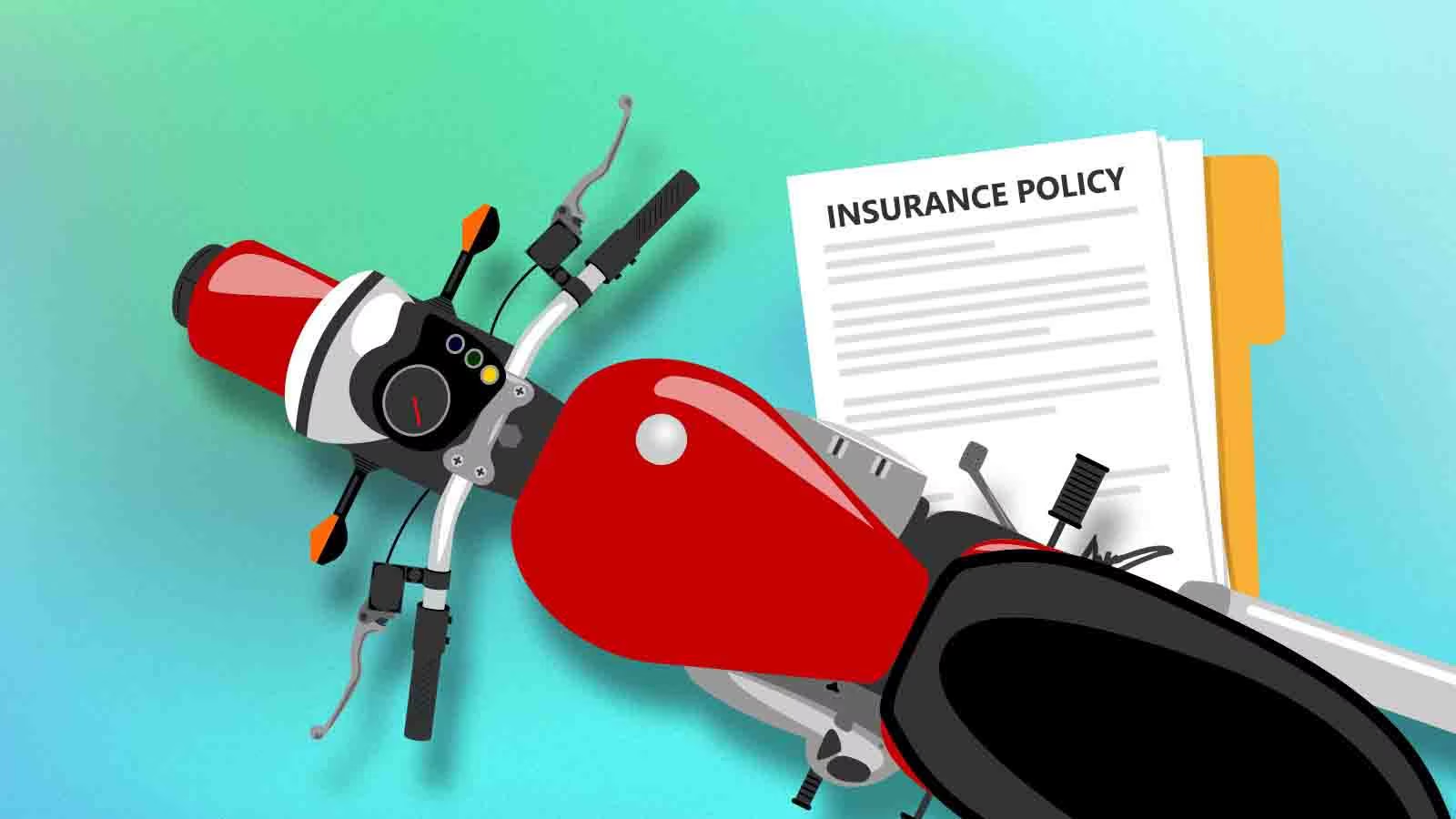
Owning a bike adds convenience to daily travel, but it also brings responsibilities beyond regular servicing and careful riding. Insurance is one of those important considerations for every two-wheeler owner. Different policies offer different levels of protection, which makes comparison useful before making a decision.
For riders seeking broader cover, comprehensive bike insurance can be worth considering. Its value becomes clearer when you understand how the policy works and what to look for before choosing one. A well-informed decision can help you select protection that suits your vehicle, usage, and financial priorities.
Let’s understand comprehensive bike insurance better and see how it can support a more informed choice for your two-wheeler.
Table of Contents
ToggleWhat is Comprehensive Bike Insurance?
Comprehensive bike insurance combines third-party liability protection with own-damage cover for the insured two-wheeler.
Third-party cover addresses eligible legal liabilities involving injury or damage to another person’s property. Own-damage cover protects the insured bike against specified events listed in the policy.
This makes comprehensive bike insurance broader than a third-party-only policy. It protects the insured vehicle while also meeting mandatory third-party insurance requirements. The actual scope depends on the insurer, policy wording, Insured Declared Value (IDV), deductibles, and any chosen add-ons.
Why Should You Consider Comprehensive Bike Insurance?
A broader policy can be useful when you want protection that extends beyond mandatory third-party cover. Comprehensive bike insurance can support several common ownership concerns.
- Helps Manage Eligible Repair Expenses
Road incidents can lead to repair costs, even when a bike is maintained carefully. Comprehensive bike insurance protection can support eligible repairs after an insured accident.
This can reduce the amount you may need to pay directly for covered damage, subject to policy conditions and deductibles.
- Offers Support Against Theft and Natural Events
Theft can affect the value invested in a bike, particularly when the vehicle is relatively new or valuable. A comprehensive policy can also cover specified natural events, including floods, cyclones, storms, earthquakes, and landslides.
For many riders, comprehensive bike insurance can provide useful protection against events beyond everyday road damage.
- Combines Own-damage and Third-party Protection
A comprehensive plan brings own-damage cover and mandatory third-party liability together within one policy. This means the policy can address eligible damage to your bike and specified legal liabilities involving another person or their property.
What is Covered Under Comprehensive Bike Insurance?
The exact inclusions under comprehensive bike insurance can vary by policy, but standard cover generally responds to several defined events.
- Accidental Damage
Damage caused by a collision, impact, or overturning can usually fall within the own-damage section of the policy. Eligible repair costs are assessed after considering the extent of damage, depreciation, deductibles, and other applicable policy terms.
- Theft of the Insured Bike
If an insured bike is stolen and remains untraceable, the insurer may settle the claim according to policy conditions. The IDV usually plays an important role in determining the amount payable for an eligible theft claim.
This feature can make comprehensive bike insurance useful for riders seeking broader protection for their two-wheeler.
- Fire and Explosion
Damage caused by fire, self-ignition, lightning, or explosion is generally included under standard comprehensive protection. The event must satisfy the conditions and definitions stated within the policy document.
- Natural Events
Specified natural events can also be covered. These may include floods, cyclones, earthquakes, storms, and landslides. Such protection can be particularly relevant for bikes kept or used in areas exposed to seasonal weather conditions.
- Human-caused Events
Certain specified human-caused events can form part of comprehensive cover. These may include riots, strikes, and malicious acts.
- Third-party Liability
Comprehensive policies also include third-party protection for eligible legal liabilities involving bodily injury or property damage.
Together, these features provide a wider form of financial protection than liability-only cover.
What is Not Covered Under Comprehensive Bike Insurance?
Every motor policy has defined terms that explain how cover applies. Understanding these conditions can make claim expectations clearer.
- Normal Wear and Tear
Routine ageing, gradual deterioration, and regular maintenance needs generally sit outside standard insurance protection. Mechanical or electrical breakdowns that occur independently of an insured event are also usually treated as maintenance-related matters.
- Riding Without a Valid Licence
The person riding the insured bike should hold a valid and effective driving licence. Claims are assessed according to the licence requirements and driver-related conditions stated in the policy.
- Riding Under the Influence
Motor policies include conditions requiring the vehicle to be used lawfully and responsibly. Claims linked to riding under the influence of alcohol or intoxicating substances generally fall outside standard policy terms.
- Consequential Damage
Indirect damage arising after the original incident may need separate cover. For example, restarting a waterlogged bike can cause engine damage. An engine protection add-on may cover eligible situations, depending on the policy.
- Depreciation and Deductibles
Standard claim settlements can include depreciation on selected parts. Compulsory or voluntary deductibles can also affect the final payable amount. A zero-depreciation add-on can reduce certain depreciation deductions, subject to the insurer’s terms.
Knowing these conditions can help you understand how standard cover may apply during a claim.
Choose Cover That Fits Your Bike and Riding Needs
Bike insurance is most useful when you understand the protection you are choosing before the policy becomes necessary. With comprehensive bike insurance, the focus should be on finding cover that supports your financial priorities and riding needs.
Taking time to compare available options can make the buying process clearer and help you make an informed decision. Many online insurance brokers, such as Jio Insurance Broking Ltd., provide access to bike insurance plans from multiple insurers for comparison.
Such platforms can simplify policy discovery and help riders explore suitable protection based on their individual requirements. Always review the applicable policy terms before completing your purchase.